Checklist for Part A of your Research Design:
Working Title
Connections to Home through intimate sensory experiences
Draft Abstract (snapshot/nutshell of your entire research project)
TO BE ADDED
Research Aims (need to be reassessed due to research shift)
- Using human centred design and nomad-ology, the study of nomadic persons (maybe more sub-nomadic not fully nomadic)
- Designed product/prototype as a potential outcome to/ Designed intimate experiential model. Mirror my experiences of what it is like to be at home for me
- Isolate the comforts of living at home
- Translate these into a portable and transportable object that can be taken from place to place as the person moves around/ allowing the comfort of home to be taken and not lost or forgotten
- Encourage people who are sub-nomadic that they belong wherever they decide to live, whether it be at home or away so they can feel more comfort, connection and …
- Young adulthood is a challenging time for anyone, with moving out of home and either entering the workforce full time or taking up tertiary study this is a time of complete instability for young adults.
- We as young adults are forced to make so many decisions about our future without being fully aware of the consequences these could have, not getting the job, getting the job then losing the job, not succeeding in the study, changing interests and changing study, and so on. But one thing that should always be stable to help us wherever we may go, and encourage the decisions that we make, is the comfort and stability of home.
- 42% of people worldwide are between the ages of 15-24, this age of young adulthood/youth.
- Of this 42%, on average 39.13% of these people worldwide are in the workforce.
- In a graph published by “ourworlddata” statistics show that in New Zealand in 2020 people aged 15 plus, 100,000 people will only have a primary education, 2.62 million will have a secondary education, and 1.03 million will have a post-secondary education
Checklist for Part B of your Research Design:
Research Question
How connections between people and places and objects of their past can be mapped Through the bodily sensory experiences of touch, hear, see and smell and How can these experiences can be recreated in a physical spatial sense And be used and re-experienced through a recreated sensory means
- Sub-questions
- How can the bodily senses of touch, hear, see and smell be used to remind us of past experiences and memories of things we have experienced?
- How can these memories be transferred into a tangible form that can be taken away from the place where we experienced this memory and be relived?
- Can bodily senses be used and recreated to remember moments and memories from our past?
- Can connections between people and places due to memories be recreated in a different (and completely opposite space / country to city?) space/location/area/time?
Up to 5 Research Methods
order these in order from what happens first to what happens last in my design process and add photos of examples in relation to my own design practice in here to back up my ideas.
- site mapping
- written experiences are things as simple as key words, ideas, or feelings i have when i stumble onto a site for the first time. These ideas are usually raw emotions and they are a current state of feeling at a certain time. These written experiences help me to understand the small and most noticeable things like sound, sight, smell, feel, and even taste when I experience something for the first time. these words I can then use as prompts to start modelling.
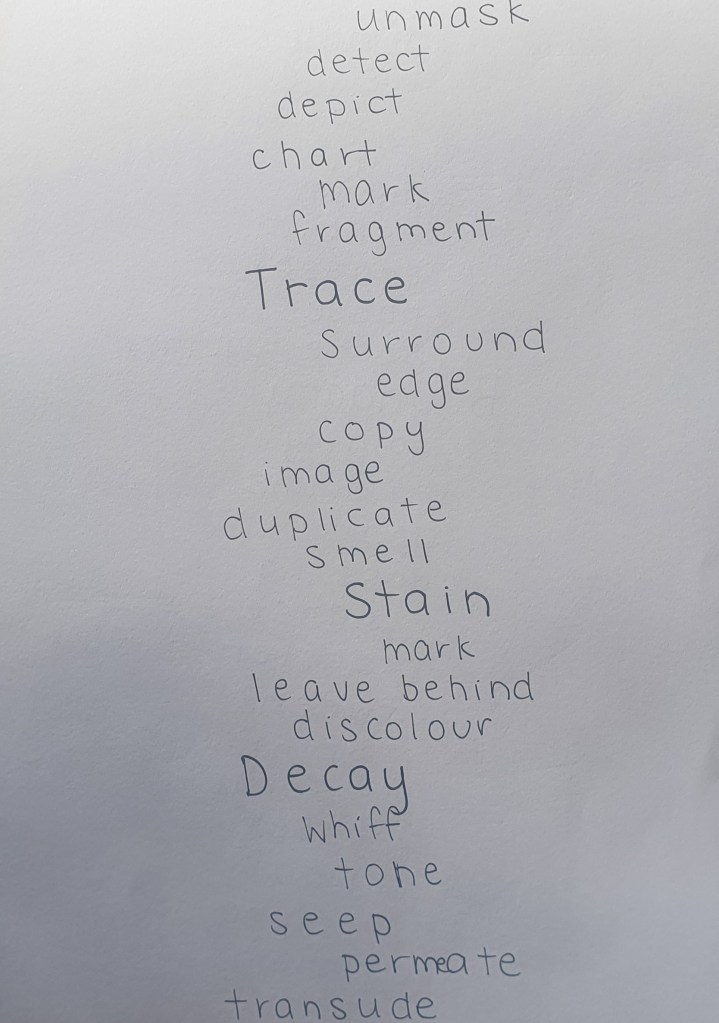
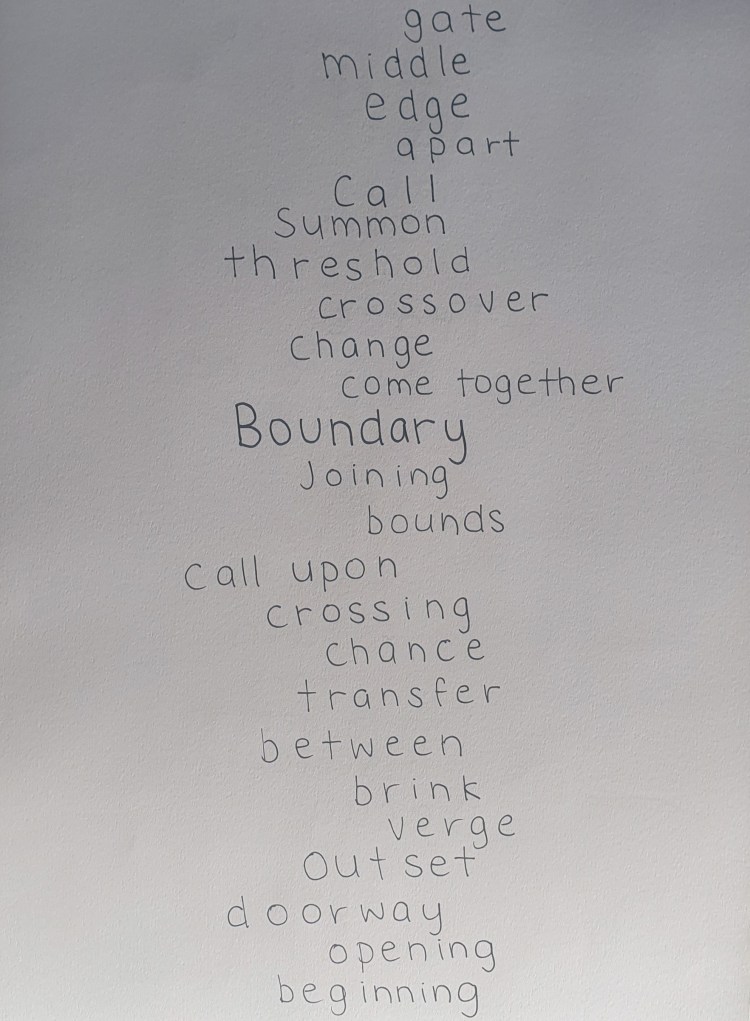
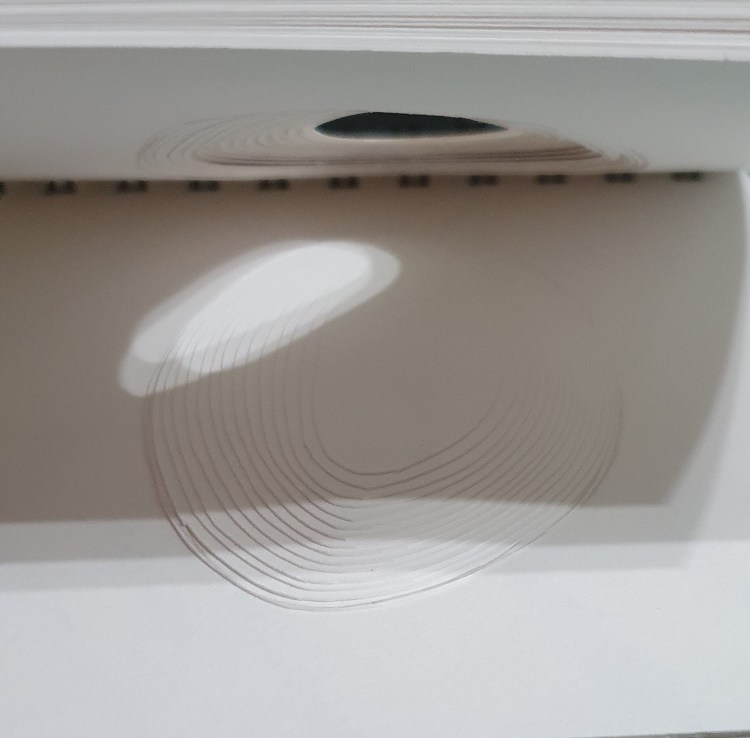
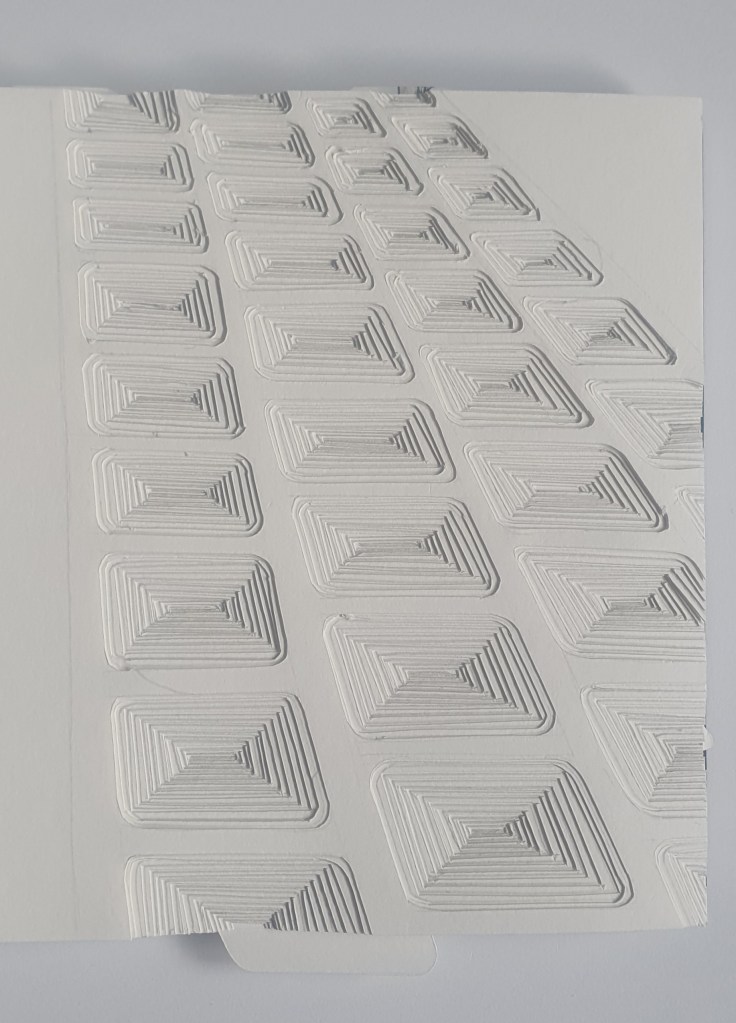
- models are a good outlet to put all of the creative ideas and experiences into a physical form. Usually these models can physically resemble things that i have seen whether it is buildings and objects but most of the time it I model the experiences that I have felt when in this space and the easiest way to model like this is to make the quick fire models sitting in the space, surrounded by the space, living the space.
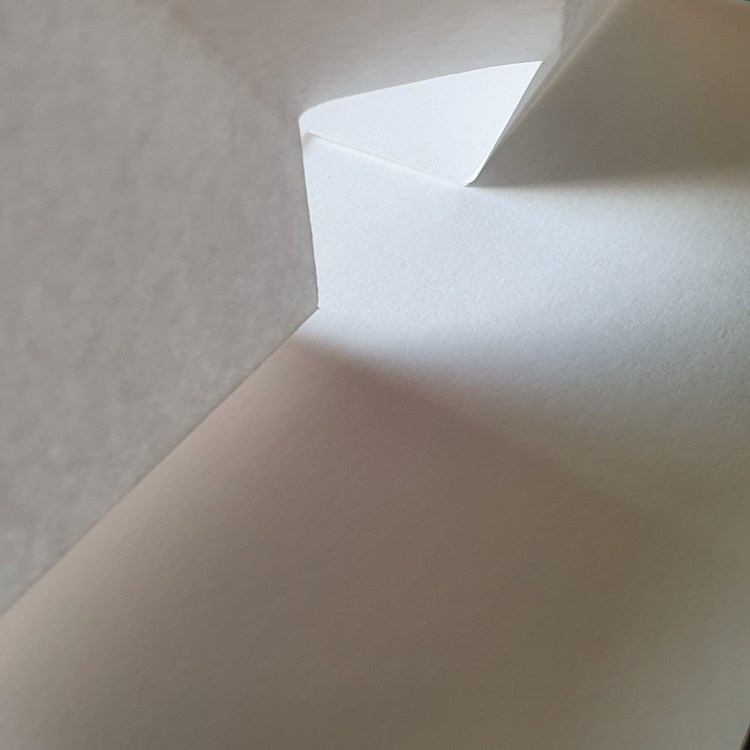
- photograph and video media I use to capture the moment in time, more than just a snip it of what has happened in a nano second. A video allows us to see, experience, and even live the moment over and over again. collecting moving image and sound this method of videoing to capture experiences of what it is like to feel, live, and be home holds a stronger essence of this experience through video. Even though photos are a good way to collect texture, feel, touch sensory experiences with the added effect of the video to add sound, movement and life action to the shot this creates more of an environment instead of a still life.
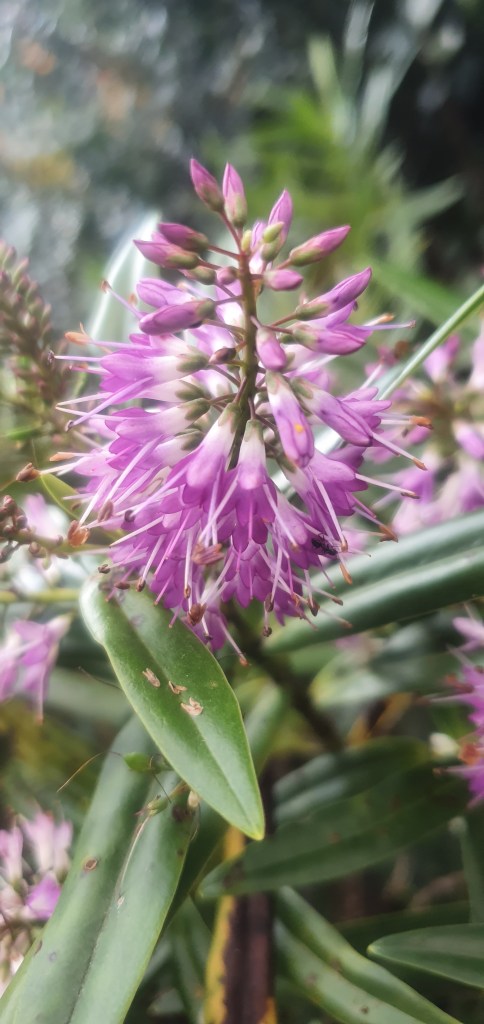
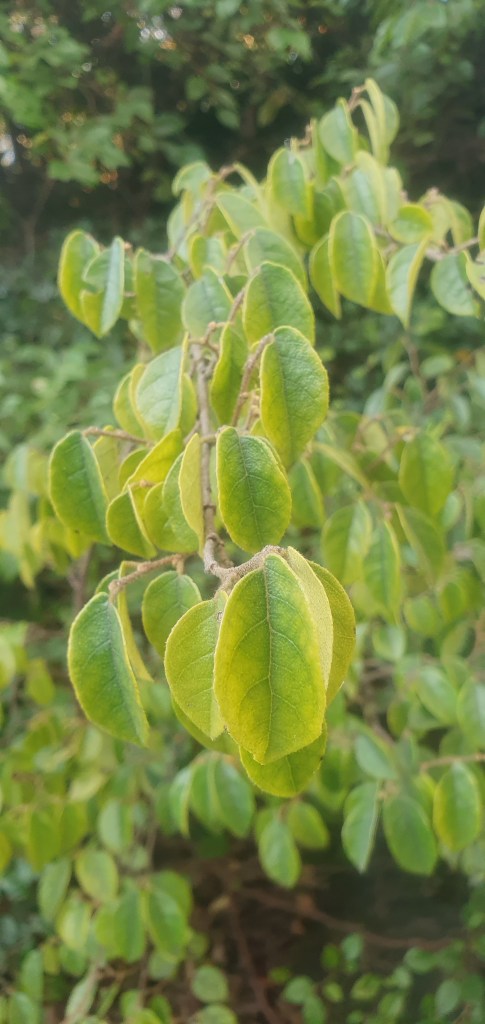
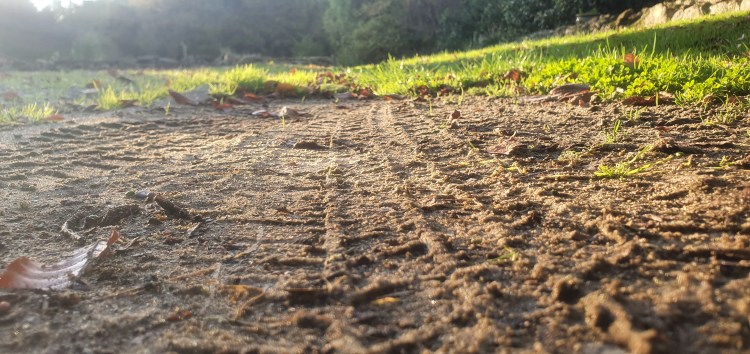
- collecting and gathering
- collecting and gathering even though i have put it under its own title it also comes under site mapping to a certain extent. Collecting and gathering information is a process of research, collecting and gathering contexts and examples of other designers that have come before me and the ideas that they have found to be significant to them and how they have explored these ideas through their own works.
- For example, I am very interested in Spatial designer, Allan Wexler’s works as a whole but more in particular his work Vinyl Milford. This is a garden shed that can be transformed into a guest bedroom through the movement and reviling of furniture from holes and cutouts in the sheds walls. This process of creating a “little building for two activities” is something that I am very drawn to in this design practice, how one space/thing can be used as one thing and be manipulated and thought about differently to reveal and transform it into something completely different.
- collecting and gathering also takes on a different form and this is the form of physical and sensual gathering through the experiences of the site.
- filtering
- ideation
- test and enhance
- Collecting/gathering– this is the process when I collect and gather a lot of data and information that I find and interesting and I am very drawn to for some reason.
- Mapping/written and modelled- collecting and gathering information and arranging it into different mind maps to show how these ideas connect together, as well as creating 3D maps to show these ideas translated into a physical example of this idea.
- Filtering– this is the process of cutting out what information that isn’t very useful and finding connections across different resources and information to build the basis of my project.
- Ideation– generating ideas from the resources that I have gathered
- Test/enhance– going through the ideas that I have come up with and comparing these back to the main goals of the project and the resources that I have been using.
- Site mapping- through the lens of the human body I have chose to use this as the site for my project. Due to my background being in spatial design I find it increasingly easier to design for something or someone when I have a site-specific approach. In this case instead of having a physical location site my site is a human body. More importantly, a young adult and their forever changing way of life.
Paradigms/statement
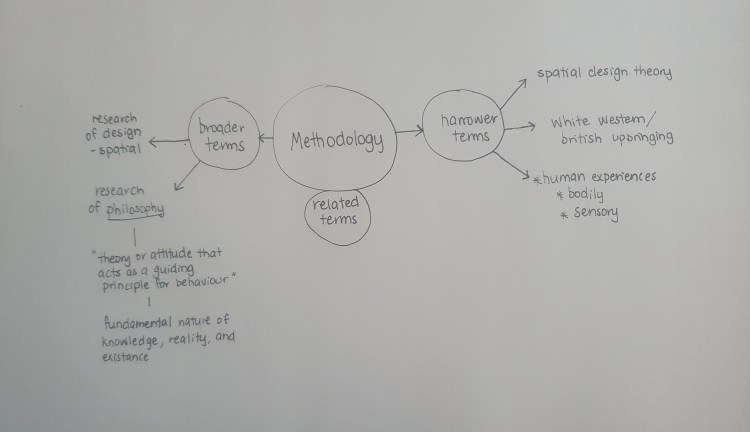
- A paradigm is a world view underlying the theories and methodology of a scientific subject.
- From my research I have thought and though some more about my world views and how they are driving my research the main world views that I have found are listed as follows.
- Spatial design background– this drives that way that I work to be in a very practical and usable way, taking a site and designing for a specific thing/location/person.
- White/western upbringing– taking most of the things I use on a day to day basis for granted and always expecting things to be on hand when I need them (easily accessible) this makes it so I don’t fully understand what other people go through.
- Nomadic person/nomadic living– combined with my western upbringing and my understanding of what it means to live as a nomadic person, challenge what this word means in the traditional sense. Sub-nomadic as another and better way to thing about who my research is targeting.
Bibliography (formatted in Chicago Turabian https://aut.ac.nz.libguides.com/turabian)
formatting and referencing needs to be changed
 Georgia Christina Grace