Creating a Nexus, a focal point, a central idea.
- Contexts
- Emerging Objects- Cabin of 3D printed curiosities
- 3D-printed tiles filled with succulents form the cabin
- A playful and interactive structure
- optimises life through plant form
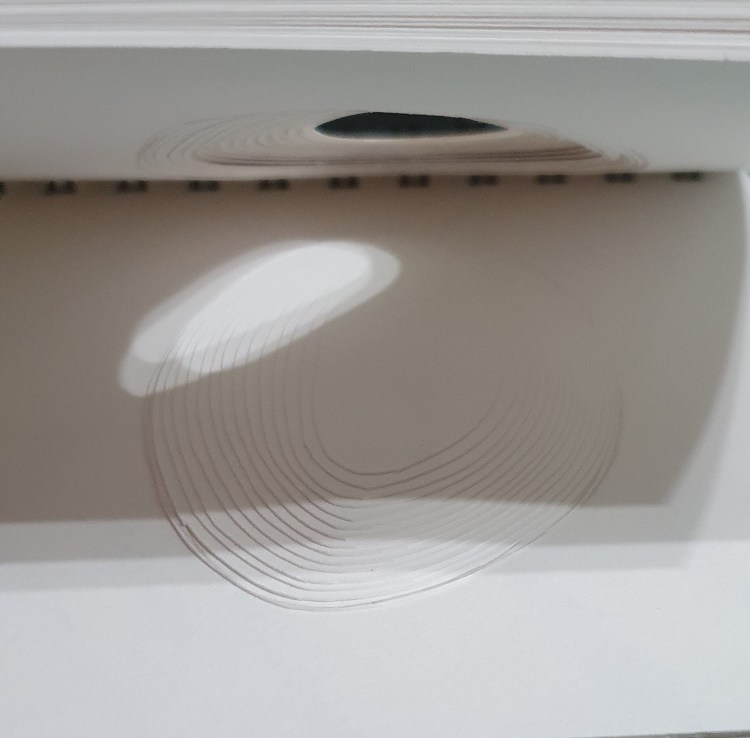
- inspiration for erasure tyre track book
- Emerging Objects- Cabin of 3D printed curiosities
Cabin of 3D Printed Curiosities
3D-printed tiles filled with succulents form cabin by Emerging Objects
- new methods to explore
- mapping family interactions
- interactions between people and objects
- interactions between people and places
- interactions between people and people
Making from class
- establish the main connections or a series of connections that create bonds between your words, ideas, and explorations.
- a connected group or series: a nexus of ideas explored through thinking/making.
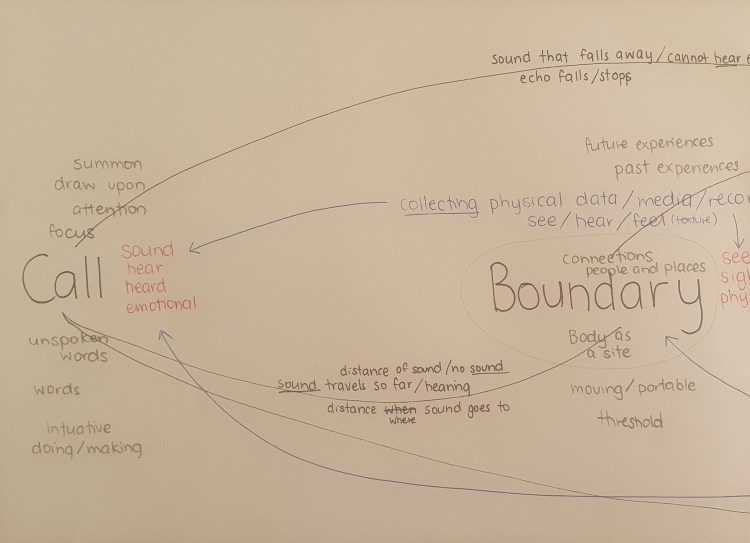
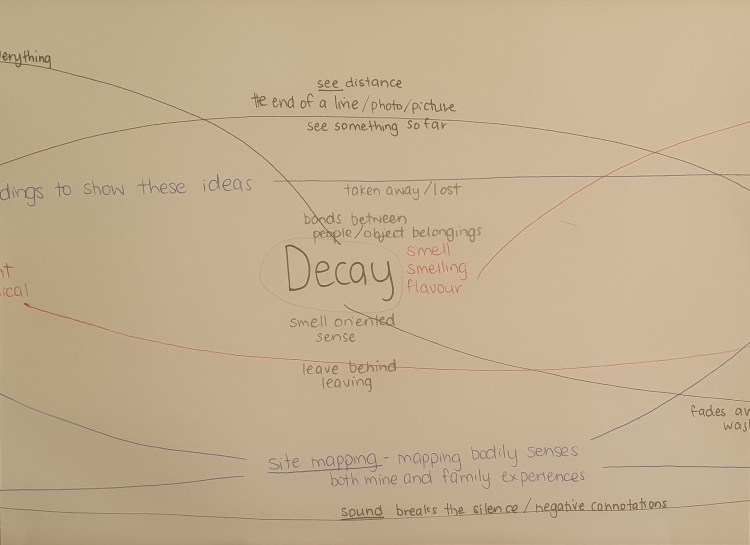
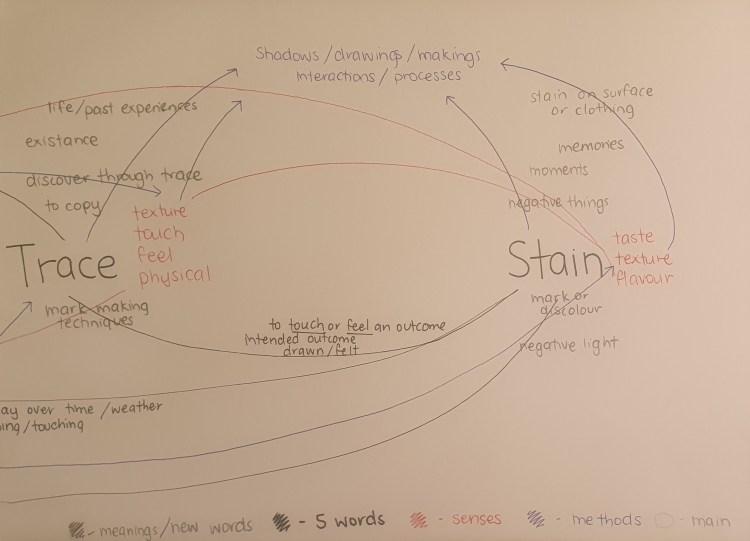
- a central or focal point for your exploration. (this could be around your question, sub-questions)
Include your reading in your discussion – always refer to the source of your ideas so that others are aware of what contextual concepts and ideas are influencing you.
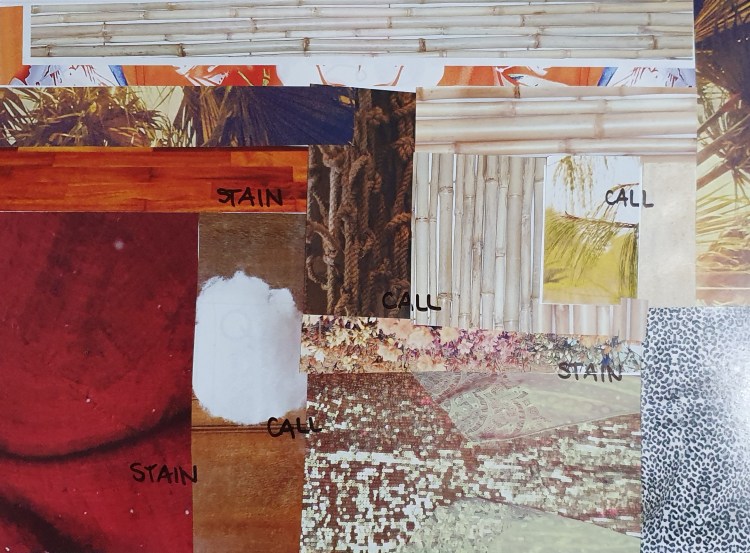
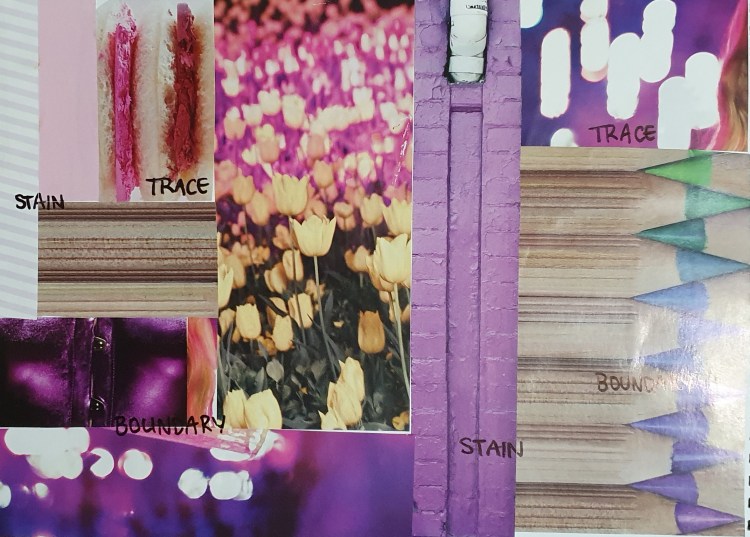
Re-consider your practice, this is an in-depth conversation with yourself.
- Review and reflect on the processes and the exploration you have undertaken in DP1,
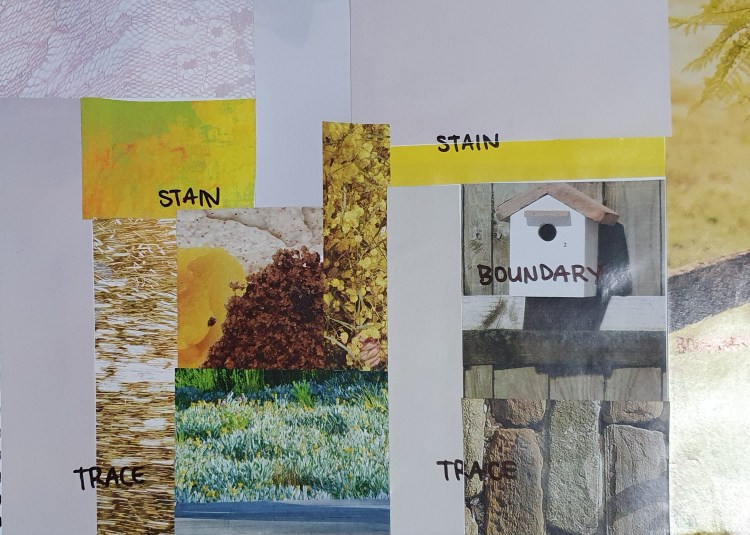
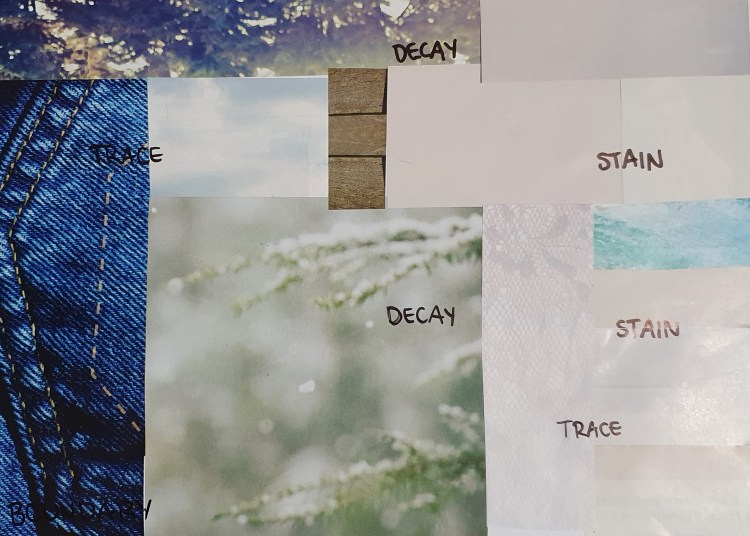
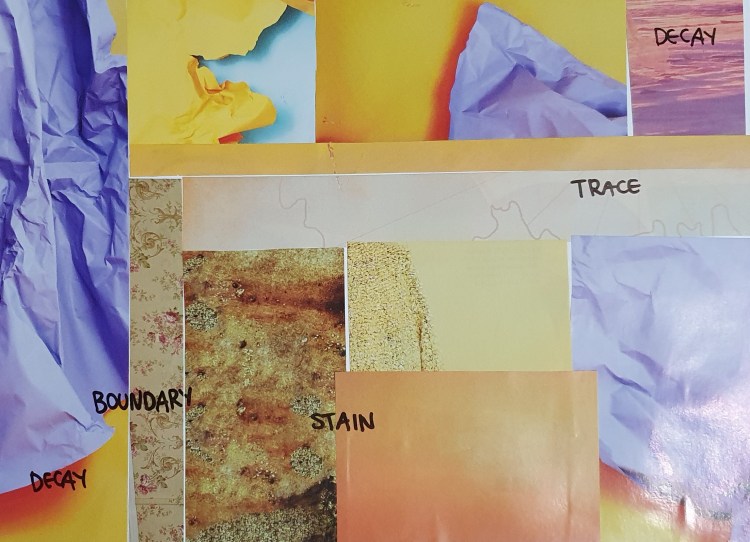
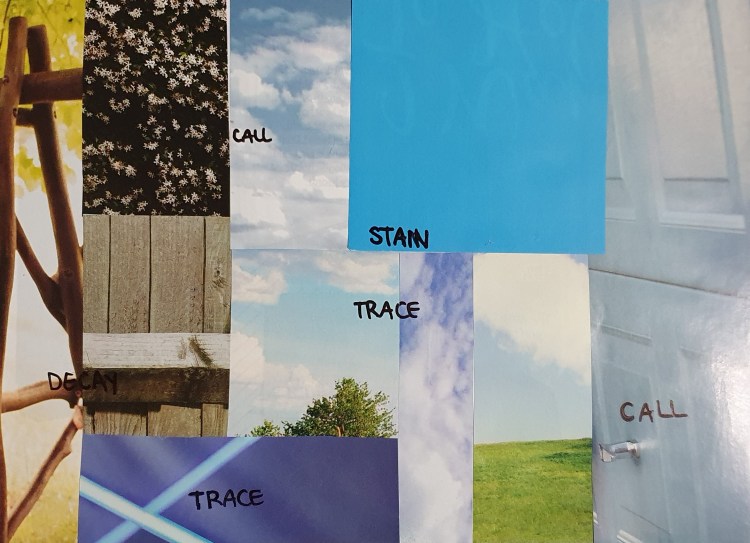
- so far in design practice I have carried out a series of different methods, from model making, both 2 dimensional and 3 dimensional, to drawing in both 2 dimensional and 3 dimensional, rapid sketching, brain dumping, note mapping, reactive mapping, bodily experiences, through to photographing and digitally recording (sight, sound, texture, atmosphere) my encounters with my five chosen words of;
- Call
- Boundary
- Decay
- Trace
- Stain
- so far in design practice I have carried out a series of different methods, from model making, both 2 dimensional and 3 dimensional, to drawing in both 2 dimensional and 3 dimensional, rapid sketching, brain dumping, note mapping, reactive mapping, bodily experiences, through to photographing and digitally recording (sight, sound, texture, atmosphere) my encounters with my five chosen words of;
How have the words shaped directions or?
- In what ways have the words enabled you to recognise your designedly thinking?
- these words I have found particularly interesting to work with and see how they are beginning to form robust connections not only with one and other but also with the area of research I am interested in pursuing. In a very simple and straight forward way these 5 words I have chosen to work with are very easily translated into physical things that happen either in the day to day life or even the design process not matter who is carrying out the practice. Whether it is the final outcome that has stained wood (stain), traces of saws (trace), a knock on the corner that has taken off a bit of timber (decay), the edge of the surfaces that has been screwed together (boundary), or even the communication and talking that goes on between people as the work is getting done (call). These words are physically evident in the design process.
Where are you in the expanded field? (did you make it to the expanded field?)
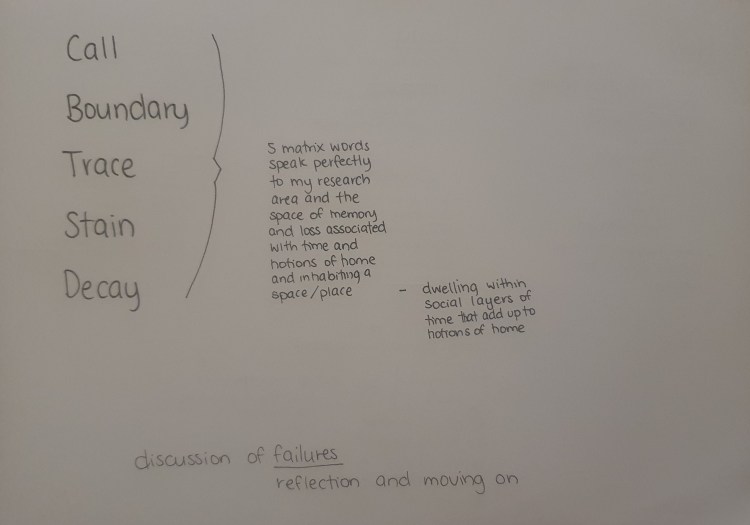
- However, they are also very easily translated into the research that I am interested in pursuing to find out and look into what it is about the 5 senses that make us feel at home, and draw out memories and trigger thoughts when we experience these senses again. How memories are made through the things that we interact with on a much more intimate scale. My 5 chosen matrix words (call, boundary, decay, stain, and trace) speak very strongly to the research I am interested in pursuing. Creating strong connections with the space of memory and loss associated with time and ideas of home, inhabiting a space/place. The idea of inhabiting social layers of time whether that is seasonal, family interactions moving apart, temporal attachments, traces left on each other, these all add up to the notions of home and how we experience this.
Self-reflection: Working alone
- Try to clearly identify the new knowledge you have acquired, how have you applied that knowledge?
- from model making,
- 2 dimensional and
- 3 dimensional,
- through the methods of 2D and 3D model making I have come to notice that I work in a very tacit way, a way of doing that is subconscious where the things I am making I am making a certain way because of what I have been taught in the past. Things I do not even know I was taught and cannot easily be put into words.
- Even though this is a really nice way of generating work quickly, it is a very large downfall that I stubble across quote frequently. I figure out a way that I would really like to do something or go about collecting data and making this into something else that I forget to research and even note down what it is that I am doing and why. I understand that it is good and helpful to make when the making is good, but this is also a large struggle for me as then all I want to do is make. I forget to continue to do the research and note down things that have been determining my making decisions and I begin to fall down a rabbit hole of making.
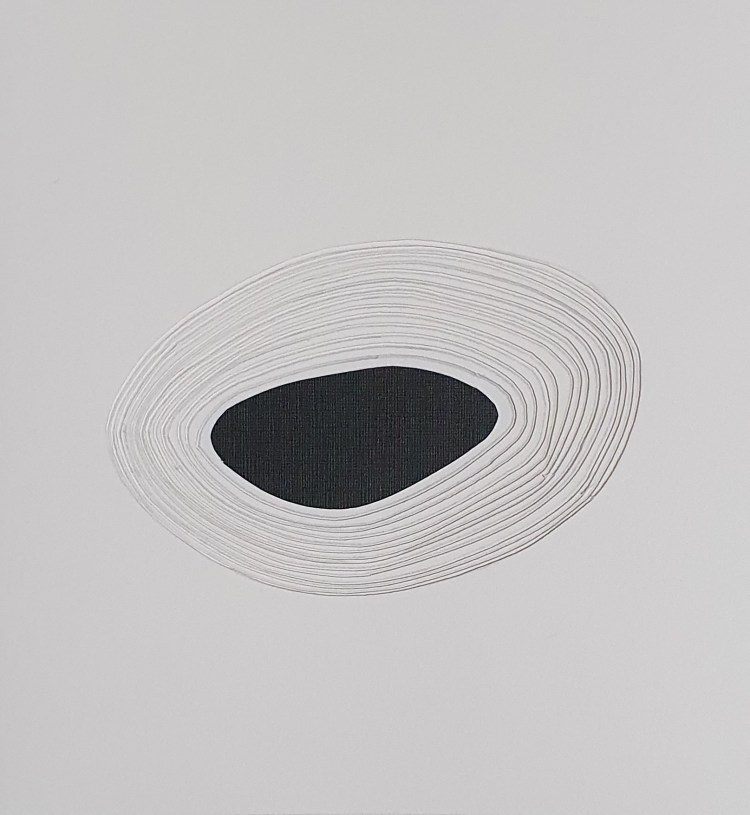
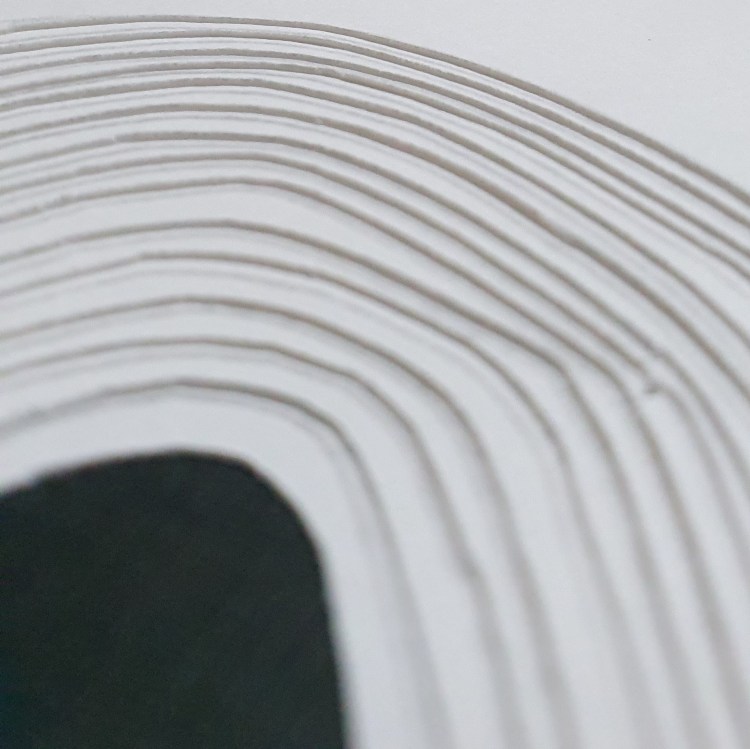
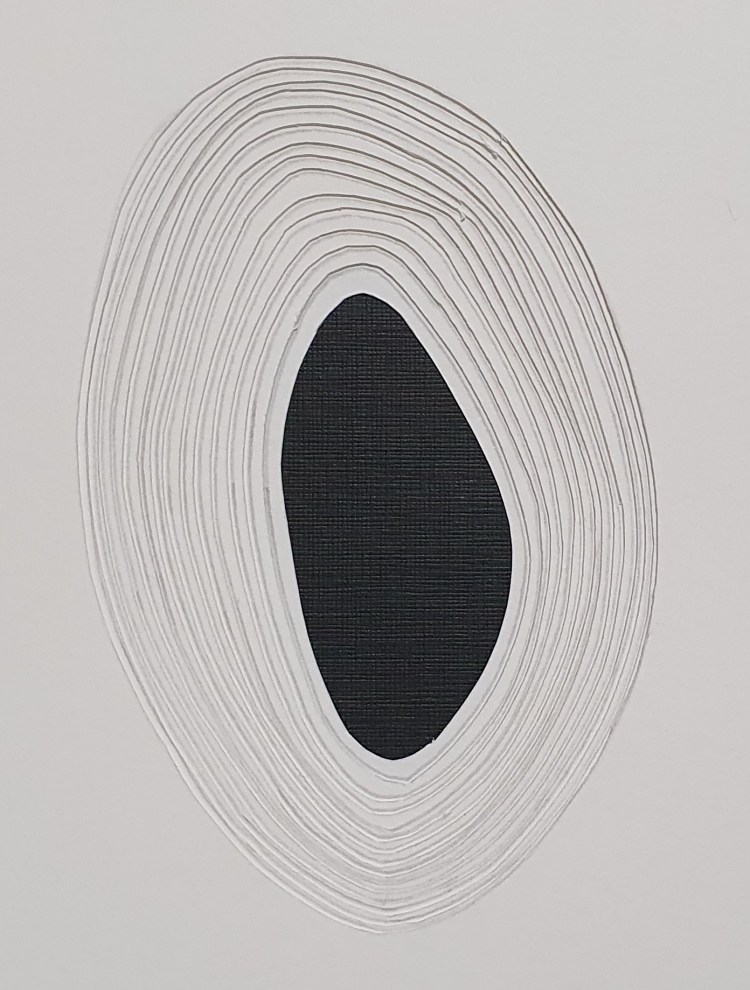
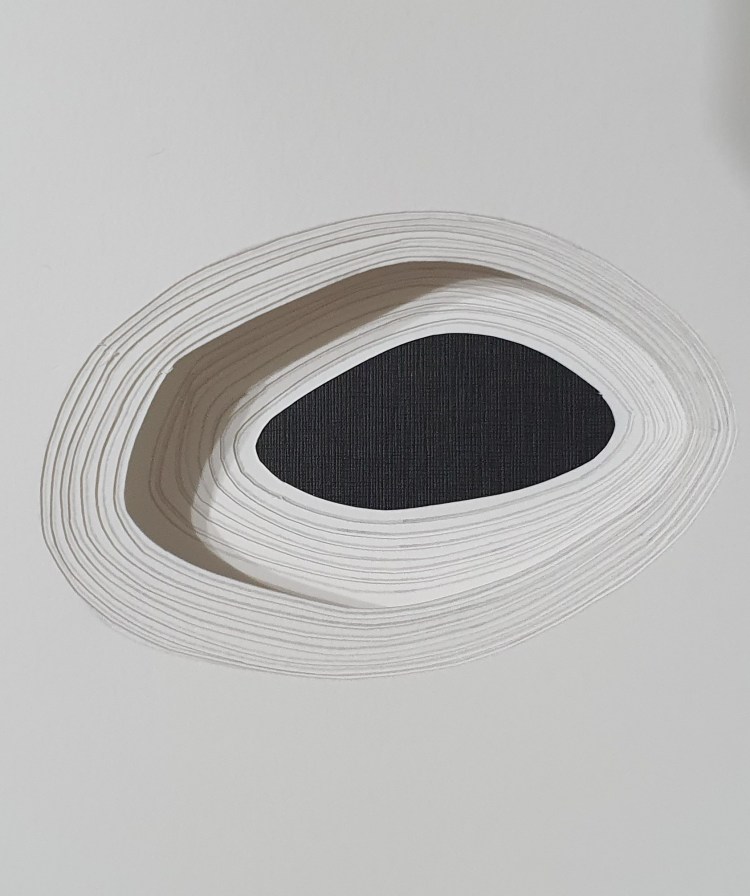
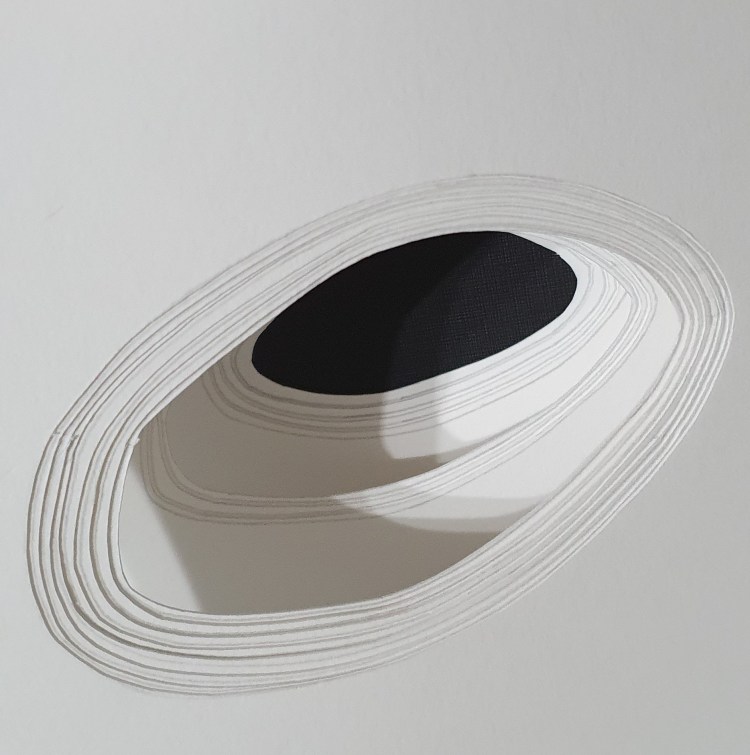
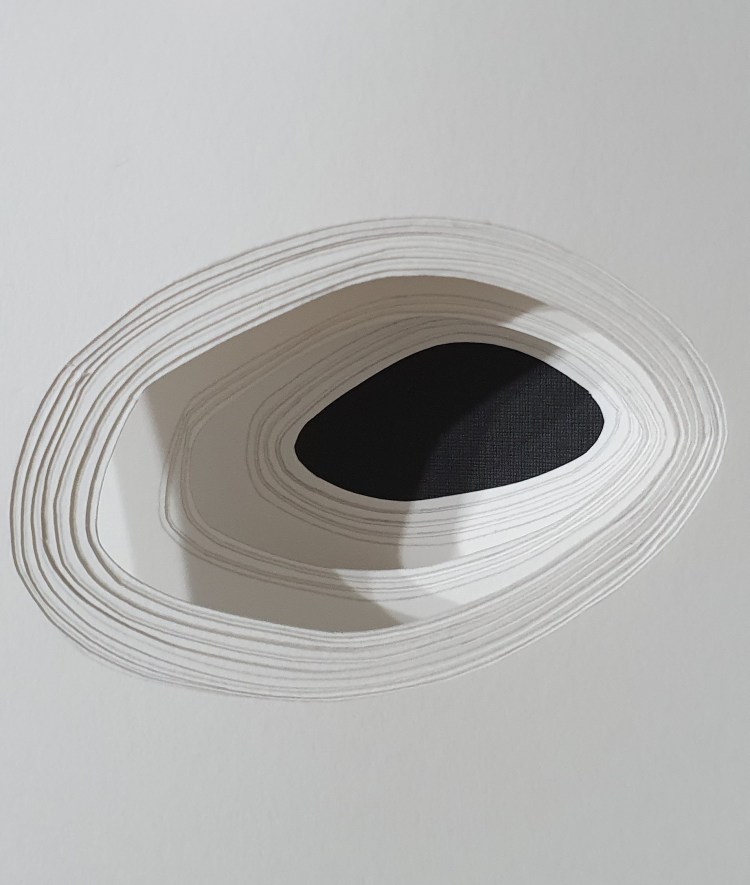
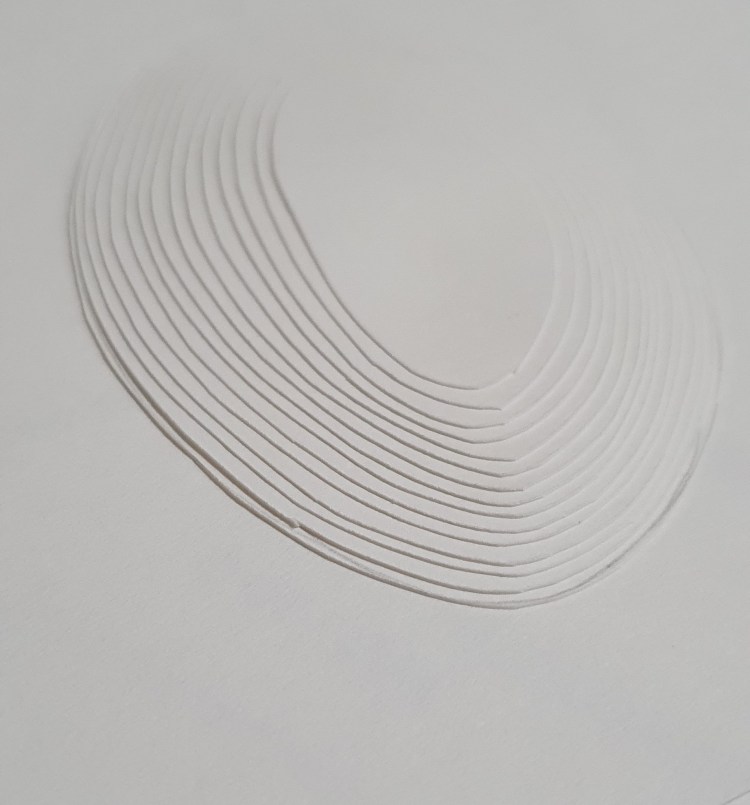
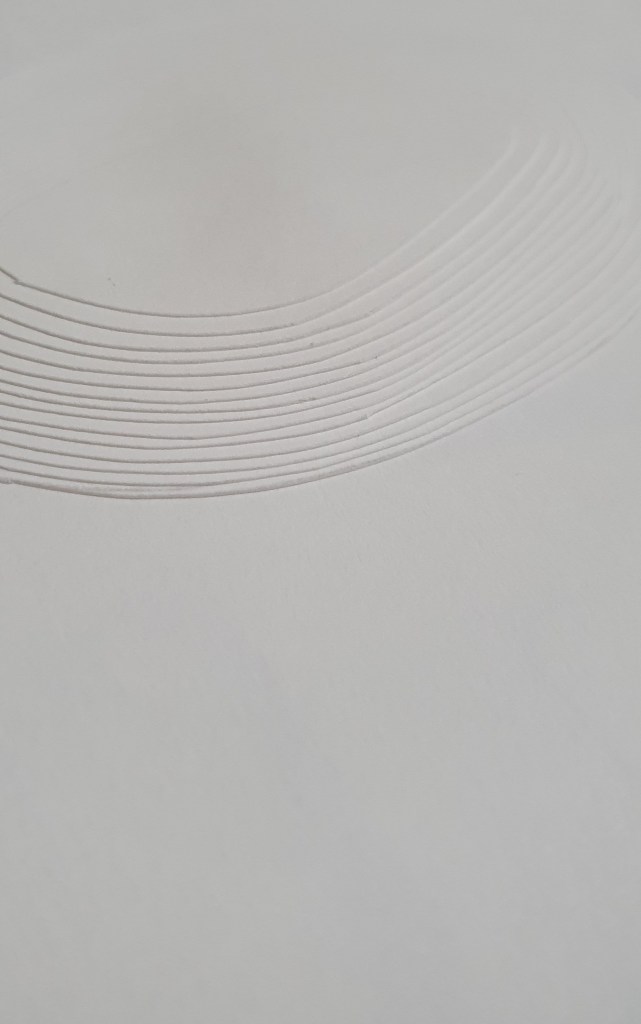
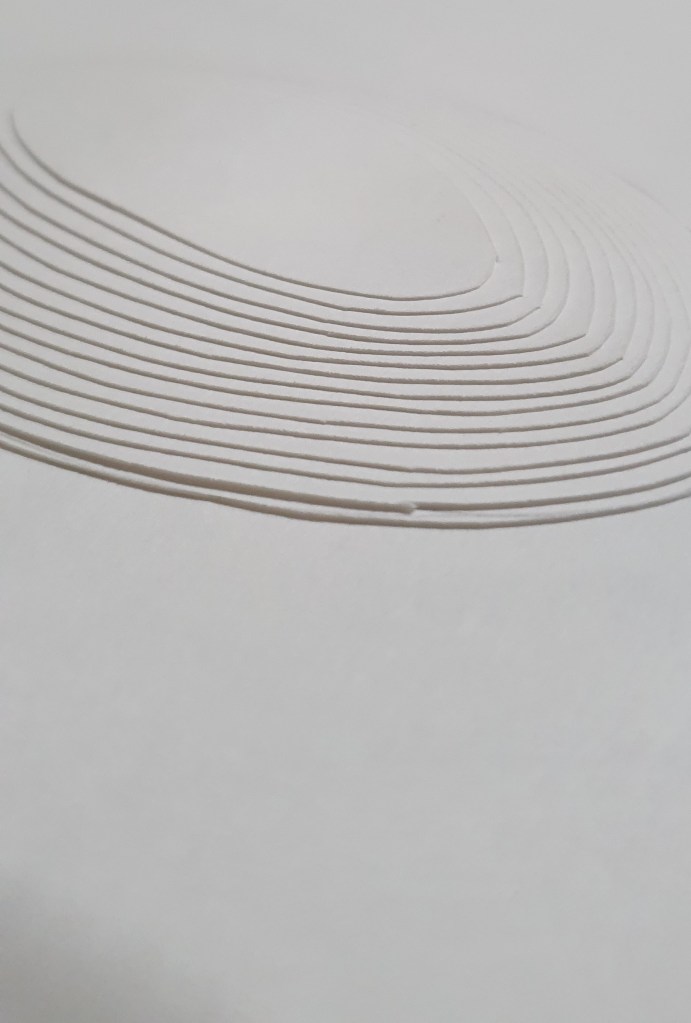
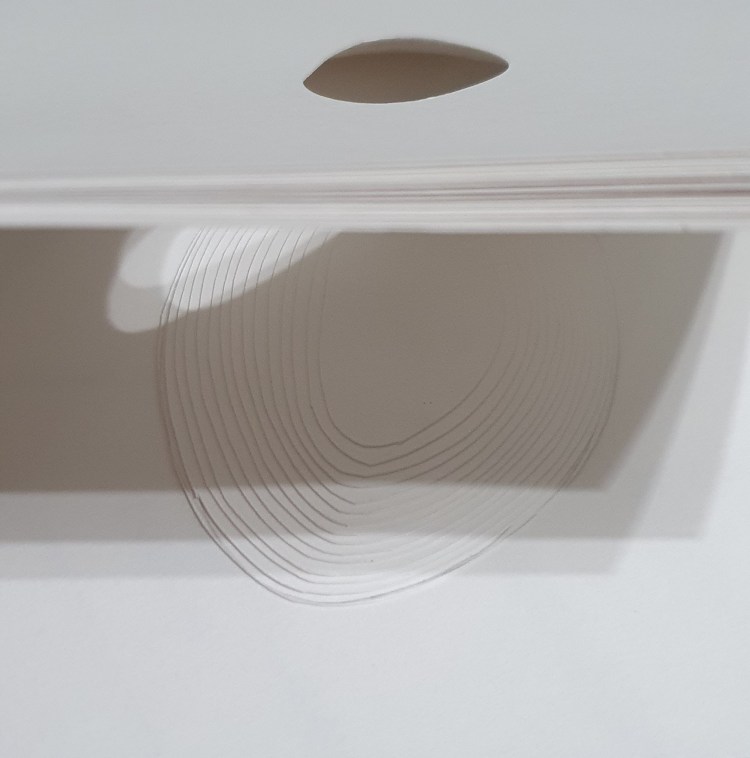
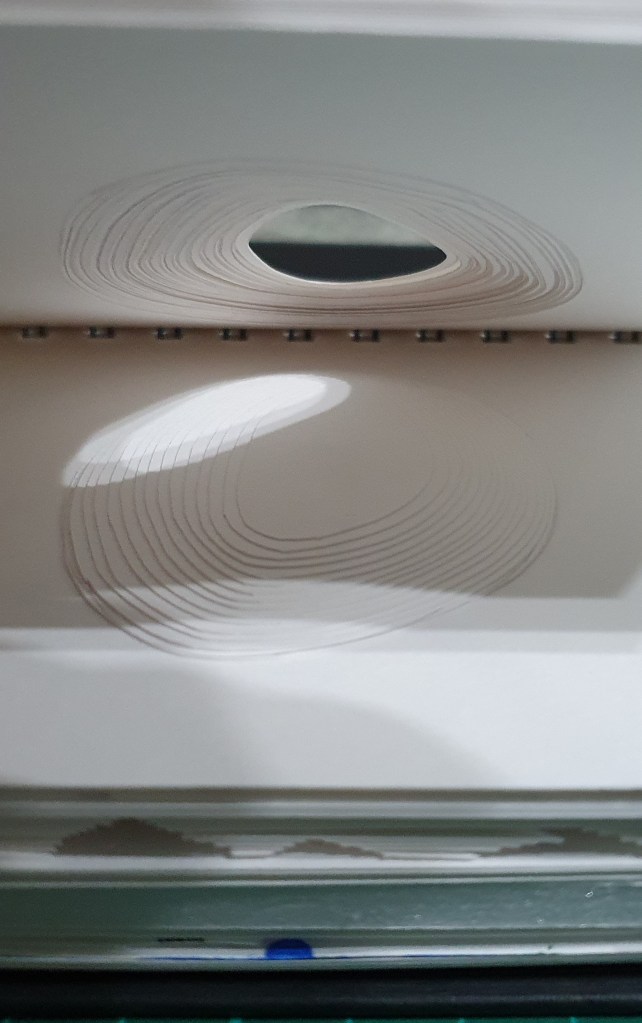
- to drawing in
- 2 dimensional and
- 3 dimensional,
- rapid sketching,
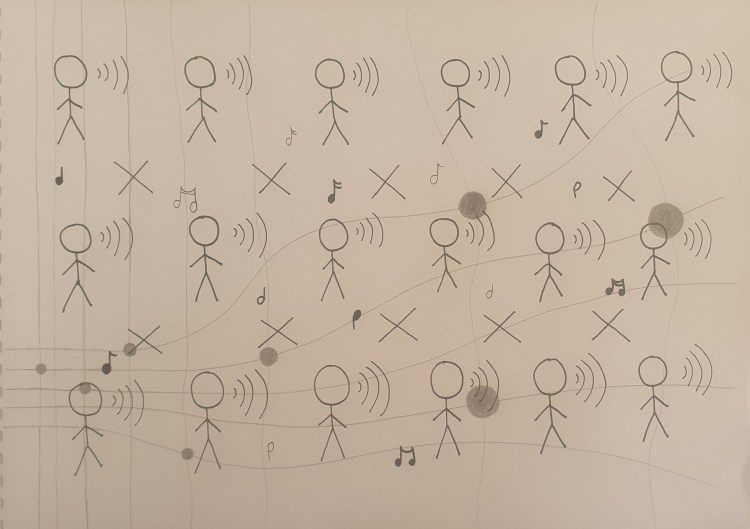
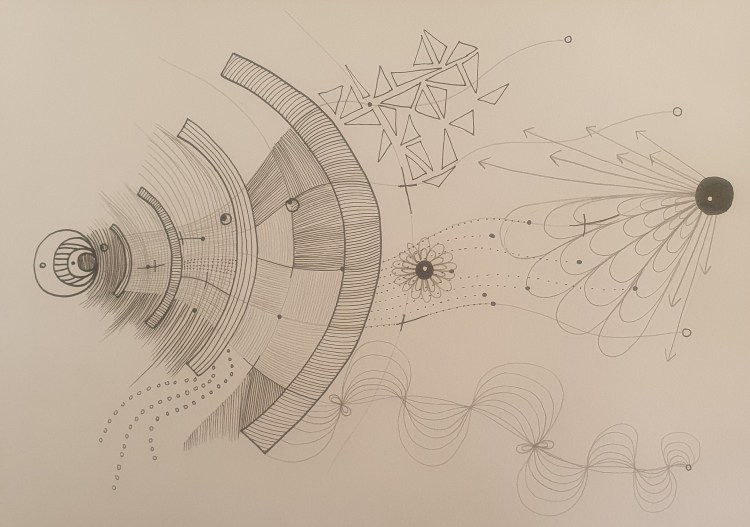
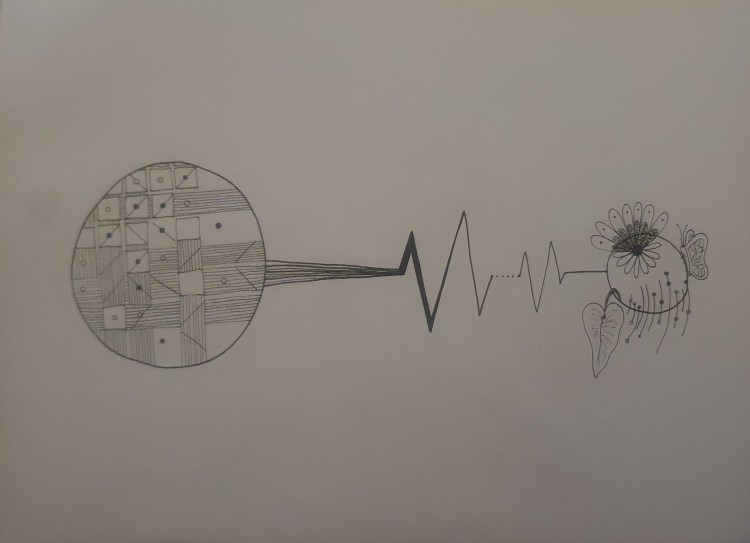
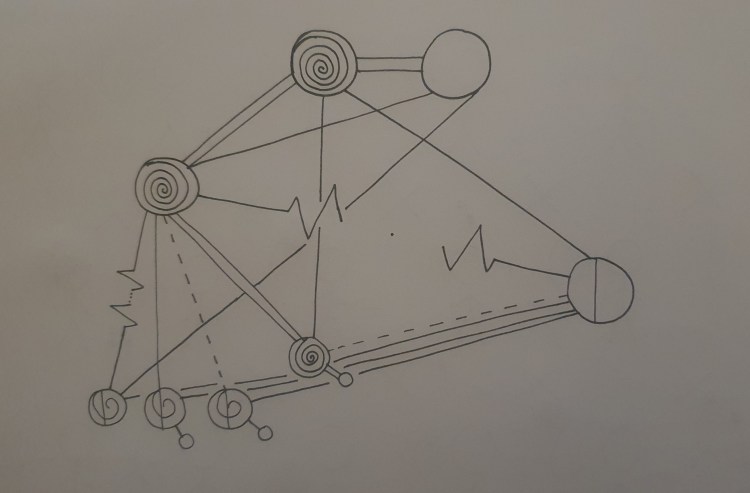
- drawing has to be one of my favourite past times, even though as a child and teenager I was really interested in creating and drawing things to be as realistic as possible and was always unhappy with the outcome when it didn’t turn out how I had imagined. This was when I stumbled across what I like to call metaphorical abstract drawing (I made it up myself). This is a process of drawing that acts as a brain dump in a drawn form instead of a word from. where the ideas that are swarming around in my head can be translated into symbols, lines and dots and everything in-between to create almost like a secret message in the drawing that I have created. Solid coloured shapes usually representing things I have struggled with or things that are troubling. Thin repeated lines represent the focus and attention that something has. thick and over drawn lines to represent confusion and almost anger of situations that have occurred. Hollow shapes are left empty and blank as they are yet to be filled. Rounded renders and life like illustrations to express the freedom and creativity that is still burning inside me.
- Words
- brain dumping,
- note mapping,
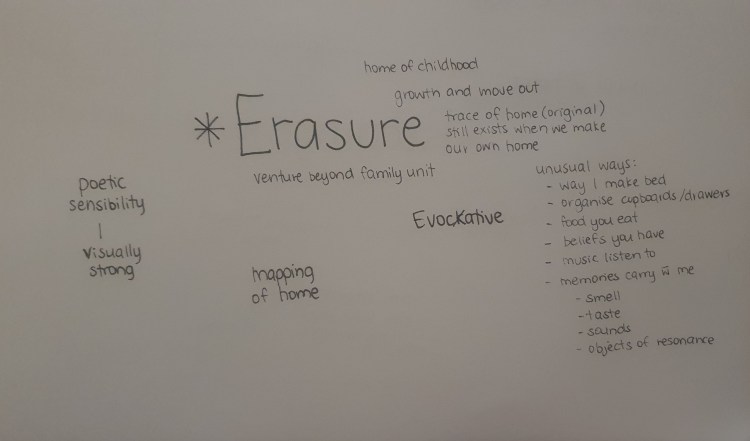
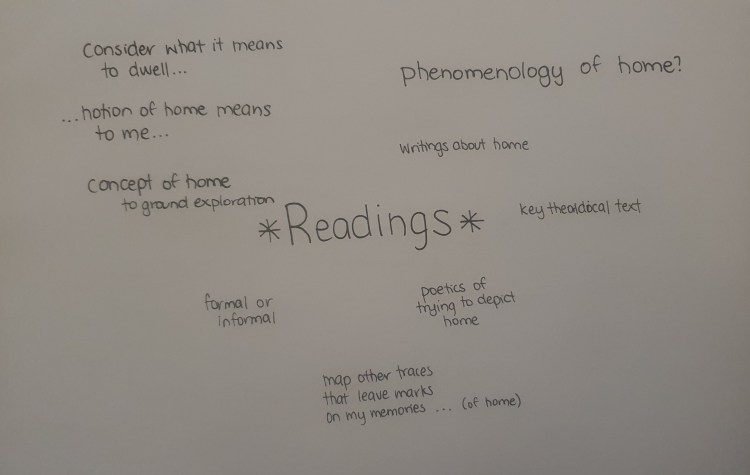
- words and writing is something that I have always struggled with a lot and it seems to be becoming an increasing issue the more attention and focus I put into a piece of writing to polish it up and make is sound exactly how it does in my head to get across my ideas. even though this is a struggle a way I have found to get around this initial confusion is to list down in bullet points all of the ideas that I am thinking of and then once all of these ideas are written down so I don’t forget I can start to arrange them into a visual map. starting by laying out the main and overarching ideas on a piece of paper and layer by layer adding more context to the page and using arrows and different coloured pens to form connections across the different ideas and how these ideas could relate to one and other. these connections can be through a key word or theme, a method or even a written or visual context.

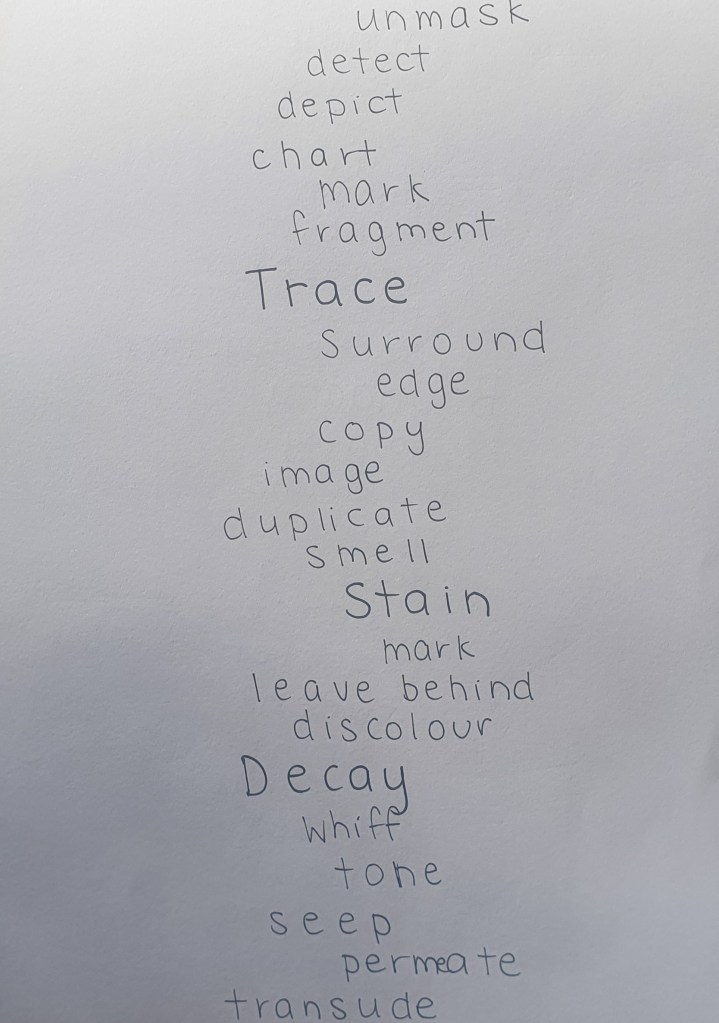
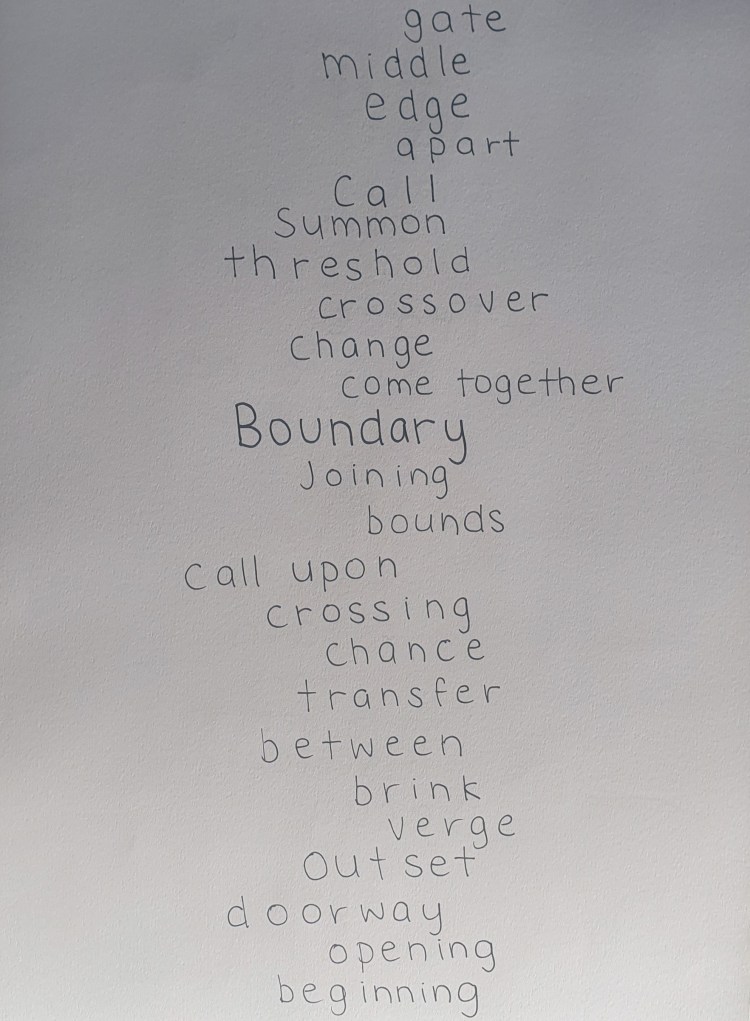
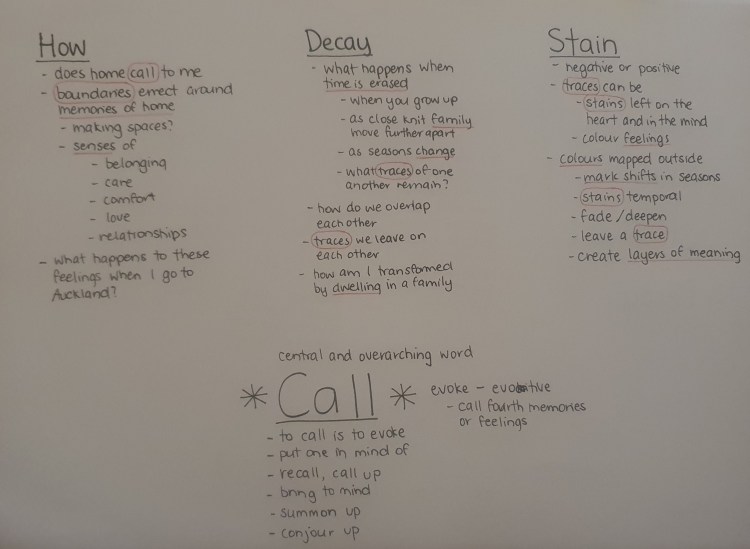
- reactive mapping,
- bodily experiences,
- photographing
- digitally recording
- What have you discovered about yourself as a design practitioner?
- I have discovered that before I opened up to this paper I was very set in the ways that I was designing and this always led me to go down the same design process, following the same methods every time that I encountered a problem that needed overcoming. I was taking a problem and deciding how I would want to improve it, trying to make this improvement without thinking about anyone else and then when this didn’t work I would then and only then consult someone else and look for contexts of people who have come before me and how they solved similar ideas like this in the past. This was a very hard way to keep my design practice open to new suggestions as I was only using minimal hand drawing, note taking, and the majority of the work I had generated in a 3-D modelling software unaware of what this would be like in the now and how this would work.
- starting this paper, I decided to relax, breathe, and let go. Go with what I was being given whether it was a lot or not much at all, I decided to just take it all in and try everything. Methods that I had never thought about using especially coming from a spatial design background when site mapping came in the form of measurements and photographs of physical things, I jumped at the opportunity to change my ways. Take more than just photographs, do more than just site mapping, make it intimate. Through the camera there is so much more that we miss out on when we just take a photo. so, I started to explore beyond the static image, explore the sound behind the image, set up the “perfect image” and instead of pressing capture press record. Collecting not only an image of a moment in time but capturing exactly that, the feeling, the sound, the whole moment in time. The shadows moving in the breeze, the traffic and animal noise. Instead of taking the perfect image and editing out the imperfect instead taking the imperfect that makes in the scene and making this the focal point. change the lens and refocus on the senses beyond just see.
 Georgia Christina Grace